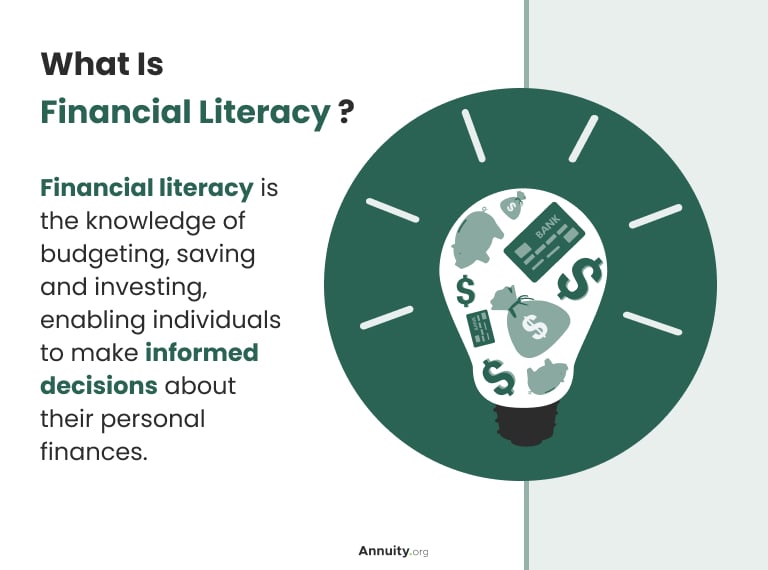
The teaching profession is defined by passion, dedication, and expertise. Yet, it is often undermined by financial constraints. For many educators, the intellectual capital they possess far outweighs their earning potential within the traditional school system. This disparity has fueled a powerful movement of “Teacher-Entrepreneurs”—highly skilled individuals leveraging their pedagogical knowledge to build lucrative side businesses.
This case study examines the transformative journey of one such educator, Sarah Jenkins, a high school Chemistry teacher in the Midwest. Over four years, Sarah successfully transitioned a small passion project into “The Educator’s Edge,” a specialized digital resource and professional development company that consistently generates over $100,000 annually—a genuine 6-figure side business achieved without leaving her classroom role. Her story is a blueprint for scaling expertise, demonstrating how E-A-T (Expertise, Authoritativeness, and Trustworthiness) can be monetized effectively in the digital age.
Case Study: How One Teacher Built a 6-Figure Side Business Leveraging Specialized Curriculum
The Catalyst: Recognizing the Gap Between Value and Compensation
Sarah Jenkins spent 12 years in the classroom. Like many veteran teachers, she was highly effective but increasingly frustrated. Her district’s budget cuts meant fewer resources, larger class sizes, and stalled salary growth. She was spending countless hours developing highly specialized, engaging, project-based learning (PBL) units for advanced placement (AP) Chemistry—material that was far superior to the generic textbooks provided.
The Core Problem Identified: Sarah realized that her most valuable asset wasn’t her time in the classroom, but the meticulously crafted, proprietary curriculum she had developed. This curriculum solved a specific, widespread problem for other teachers: the difficulty of implementing rigorous, engaging, standards-aligned AP science content with limited preparation time.
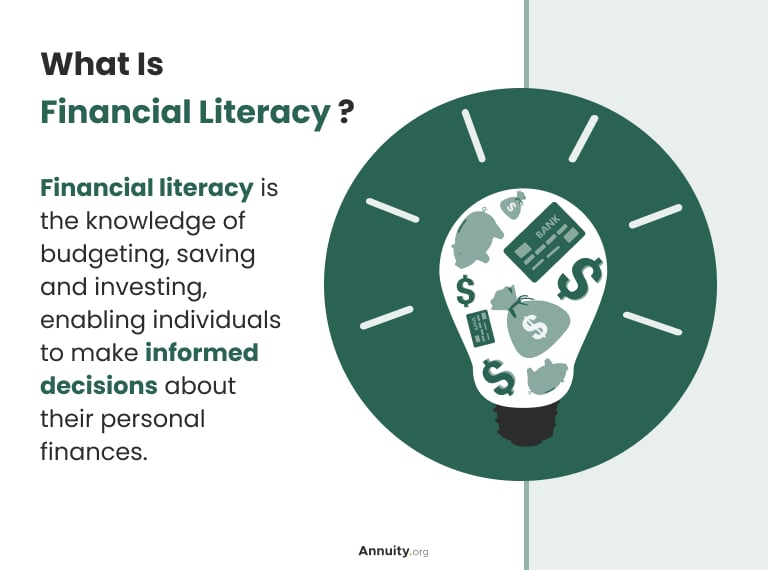
sumber: www.annuity.org
Phase I: The Imperative of Iteration and Validation (Year 1: $12,000 Revenue)
Sarah’s initial approach was cautious. She understood the concept of the Minimum Viable Product (MVP). Her goal was to test the market demand for her specific type of resource before investing heavily in a dedicated website or extensive marketing.
Platform Selection: Testing the Waters on Teachers Pay Teachers (TPT)
The first step was listing three of her most successful, high-quality AP Chemistry units on Teachers Pay Teachers (TPT), a major marketplace for educational resources. This decision was strategic:
- Low Barrier to Entry: TPT managed payment, hosting, and basic marketing.
- Built-in Audience: The platform was already populated by her target demographic (other teachers).
- Direct Feedback Loop: Reviews and ratings provided immediate, actionable data on product quality and market fit.
Sarah quickly learned two crucial lessons:
- Quality Commands Price: While many TPT sellers focused on low-cost worksheets, Sarah priced her comprehensive 3-week units at $15–$25, significantly higher than the average. Because the quality was demonstrably superior (including detailed lesson plans, editable student handouts, answer keys, and specific alignment to College Board standards), the conversion rate remained high.
- Niche Focus is Power: General resources struggled to stand out. Her deep specialization in AP Chemistry was her competitive advantage, attracting a highly motivated, smaller, but willing-to-pay audience.
By the end of the first year, her TPT sales generated approximately $1,000 per month, validating the demand for her high-quality, specialized content. This initial success provided the capital and confidence needed for the next phase: building her own digital presence.
Phase II: Building Authority and Ownership (Year 2: $38,000 Revenue)
Relying solely on TPT meant paying significant commission fees (up to 45% without premium membership) and ceding control over customer data and branding. Sarah recognized that true scale required establishing her own platform and brand.
Transitioning to an Owned Digital Asset: The Educator’s Edge
Sarah invested $1,500 in Year 2 to create a professional e-commerce website using WordPress and WooCommerce. The transition was managed through three core strategies:
- Strategic Migration and Price Differentials: She kept her products on TPT but introduced a 15% price discount for purchasing directly through her website. This subtly incentivized customers to move to her owned platform, maximizing her profit margin on each sale.
- The Content Marketing Engine: To drive traffic away from TPT and towards her site, Sarah began writing highly detailed blog posts focused on AP Chemistry teaching pedagogy, lab safety protocols, and exam preparation strategies. This was the foundation of her E-A-T building strategy.
- SEO Focus: She targeted long-tail keywords that teachers were searching for (e.g., “effective kinetics lab setup for AP,” “scaffolding equilibrium problems”). Her content, written by a genuine expert, consistently outperformed generic educational sites in search rankings.
- The Lead Magnet and Email List: The most critical step was building an email list. Sarah offered a free, high-value resource—a “First Five Days of AP Chemistry” starter pack—in exchange for an email address. This list became her primary asset for launching new products and driving repeat business.
By the end of Year 2, direct sales through her website accounted for 60% of her revenue. More importantly, she had cultivated an email list of over 4,000 highly targeted educators.
Phase III: Scaling Through Product Diversification and Automation (Year 3: $105,000 Revenue)
The jump to 6 figures required moving beyond selling individual curriculum units. Sarah needed products that leveraged her expertise but were priced higher and required minimal ongoing maintenance. This led to the introduction of professional development and bundled packages.
Strategy 1: High-Ticket Digital Bundles
Instead of selling units individually, Sarah bundled 10–12 units into a “Complete AP Chemistry Year-Long Curriculum Package.”
- The Value Proposition: This package solved the entire year’s planning problem for a teacher.
- Pricing: Priced at $199 (compared to $250 if purchased individually), the perceived value was immense, leading to a much higher average order value (AOV).
Strategy 2: Monetizing Expertise through Professional Development (PD)
The real leap in revenue came from transitioning her curriculum expertise into professional development services, which are often institutionally funded and carry higher price tags.
The Webinar Model
Sarah created a three-hour, intensive online workshop titled “Mastering Project-Based Learning in AP Science.” Instead of charging individual teachers, she marketed this workshop directly to school districts, department heads, and educational cooperatives.
- Pricing Structure: $299 per teacher registration, or a flat fee of $3,500 for a district license allowing unlimited attendance for one department.
- Automation: The workshops were pre-recorded, delivered through a platform like Teachable or Kajabi, and included downloadable resources. The only active time commitment was an optional, monthly live Q&A session.
This strategy leveraged her authority. Districts trusted her because she was currently in the classroom and her curriculum products had demonstrable results. Professional Development quickly became the highest-margin revenue stream.
Strategy 3: Automation and Outsourcing
To manage the significant increase in volume without sacrificing her teaching career, Sarah automated key business processes:
- Customer Service: Implemented detailed FAQ pages and automated email sequences (using tools like ConvertKit) to handle 80% of routine customer queries (download issues, license questions).
- Content Creation Support: Hired a virtual assistant (VA) for 5 hours per week to handle social media scheduling and basic website maintenance. Crucially, she retained full control over the high-value curriculum writing, which was the core E-A-T component.
Phase IV: Sustained Growth and E-A-T Reinforcement (Year 4: $148,000 Revenue)
By Year 4, the business was stable, generating consistent monthly revenue well above the $8,333 threshold required for a 6-figure annual run rate. The focus shifted from rapid growth to maximizing profit margins and solidifying market authority.
The Power of Advanced SEO and Niche Dominance
Sarah recognized that her niche expertise was her greatest barrier to entry for competitors. She began creating free, high-value, evergreen content specifically targeting new AP Chemistry teachers—a segment constantly searching for guidance.
- The Cornerstone Content Strategy: She developed an exhaustive, 10,000-word “Ultimate Guide to Teaching AP Chemistry,” which was optimized for high-volume, competitive keywords. This document established her site as the definitive resource in the field, earning valuable backlinks and driving consistent organic traffic.
- Testimonials and Social Proof: She actively solicited detailed video and written testimonials from satisfied customers (especially department heads who used her PD), using this social proof prominently on her sales pages to build trust with new institutional buyers.
Financial Breakdown and Profit Margins
The shift from TPT to an owned platform dramatically improved profitability. While TPT sales had a net margin of 55–70%, direct sales (digital products) had a net margin of 85–90% (after accounting for hosting, payment processing fees, and VA costs).
| Revenue Stream | Percentage of Total Revenue (Year 4) | Profit Margin (Approx.) | Key E-A-T Leveraged |
|---|---|---|---|
| High-Ticket Curriculum Bundles (Website) | 45% | 90% | Expertise (Curriculum Design) |
| Institutional PD Workshops (Automated) | 35% | 85% | Authoritativeness (Proven Results) |
| Individual Unit Sales (TPT & Website) | 15% | 65% | Trustworthiness (Reviews/Ratings) |
| Affiliate Income (Lab Equipment, Textbooks) | 5% | 100% | Trustworthiness (Recommendations) |
Total Revenue (Year 4): $148,000. Sarah’s net profit, after deducting business expenses (hosting, VA, software subscriptions), was approximately $125,000—a substantial second income stream built entirely on her existing professional expertise.
Key Takeaways for Aspiring Teacher-Entrepreneurs
Sarah Jenkins’ success was not accidental; it was the result of strategic planning, disciplined execution, and a deep understanding of the market’s need for high-quality, specialized content. Her journey offers five crucial lessons for any educator looking to build a scalable, 6-figure side business:
1. Identify Your Ultra-Niche and Own It
General education resources are a commodity. Sarah succeeded by focusing intensely on AP Chemistry, a subject with high stakes (college credit) and a motivated, specific customer base (AP teachers). Your expertise must be specialized enough to stand out but broad enough to have a paying audience. Look for pain points that only your specific knowledge can solve.
Actionable Insight: Don’t try to serve all K-12. Be the definitive expert for “4th Grade Math Common Core Algebra Readiness” or “High School IB History Essay Writing.” Niche down until it feels too small, then dominate that space.
2. Prioritize Ownership Over Convenience
While platforms like TPT are excellent for validation and initial revenue, they are rented land. The transition to an owned website and the dedicated building of an email list (using a CRM like ConvertKit or Mailchimp) is non-negotiable for scaling beyond five figures. Your email list is your most valuable asset, providing a direct, non-commissioned sales channel.
Expert Strategy: Use marketplace platforms (TPT, Etsy) for customer acquisition and validation, but always drive the customer back to your owned platform for premium or bundled purchases.
3. Price Based on Value, Not Labor
Teachers often undervalue their intellectual property. Sarah priced her curriculum high because it saved other teachers 40+ hours of prep time and led to better student outcomes. A $199 curriculum bundle is a negligible expense for a district seeking effective professional resources.
The Authority Principle: High pricing, when backed by high quality and strong E-A-T (testimonials, standards alignment), reinforces the perception of expertise and trustworthiness.
4. Shift from Time-for-Money to Automated Expertise
A 6-figure side hustle cannot rely on 1:1 tutoring or custom services. Sarah’s income scaled rapidly when she focused on creating high-ticket, automated digital products: the year-long curriculum bundle and the pre-recorded PD workshop.
- Digital Products: Sell once, download unlimited times.
- Institutional Sales: Target district budgets for PD licenses, which offer large sales volume with minimal additional effort.
5. Use Content to Build Unimpeachable Authority (E-A-T)
Sarah’s blog posts were not filler; they were demonstrations of her expertise. The content marketing engine (SEO-optimized articles, free guides) served as the proof of concept that convinced department heads and administrators that her paid products were worth the investment. Consistent, high-quality, free content builds the trust necessary to close high-ticket institutional sales.
The Trust Dividend: When teachers searched for complex AP Chemistry problems, they found Sarah’s detailed solutions, establishing her as the authority long before they encountered her paid products. This organic trust is the bedrock of sustainable six-figure revenue.
Conclusion: The Future of the Teacher-Entrepreneur
Sarah Jenkins’ story is a powerful testament to the value of specialized knowledge. She didn’t invent a new technology; she simply packaged her existing, high-level teaching expertise into scalable, marketable digital assets. Her success demonstrates that the path to financial freedom for educators lies not in abandoning the classroom, but in strategically leveraging the intellectual capital developed within it.
The “Educator’s Edge” now provides Sarah with financial security, professional fulfillment, and a platform to impact thousands of students and teachers globally—all while continuing to teach the students she loves. Her journey serves as a compelling case study on how E-A-T, when applied to a targeted market need, can transform a passion into a profitable, six-figure enterprise.
sumber : Youtube.com